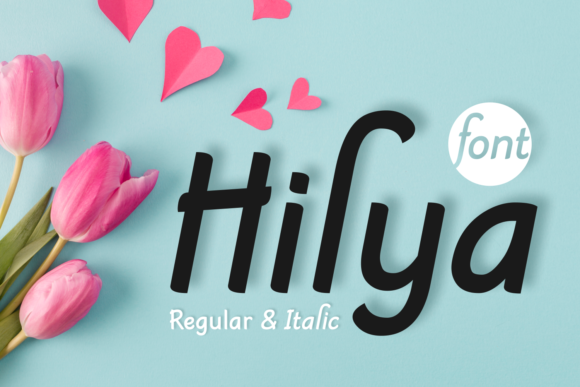
Hilya: A Script Font for Elegant Design
As I sat down to redesign the header for my lifestyle blog, I found myself drawn to Hilya—a script font that blends elegance with a touch of playfulness. Its soft curves and modern structure made it feel like the perfect match for a brand that values both sophistication and warmth. In an era where typography often leans toward minimalism, Hilya offers a refreshing contrast, adding personality without overwhelming the reader.
The first thing I noticed about Hilya is its rhythm. Each letter flows naturally, creating a sense of movement that feels inviting rather than rigid. It’s not just a font; it’s a design element that can shape the tone of a project. Whether used for a headline or a decorative accent, Hilya carries a subtle charm that makes it ideal for content that aims to connect with its audience on a personal level.
Hilya for Wedding Invitations and Elegant Branding
When I was tasked with designing a wedding guide for a client, Hilya became an immediate favorite. Its delicate strokes and balanced proportions gave the project a refined yet approachable feel. For invitations, it added a touch of romance without sacrificing clarity. The font’s versatility allowed it to work well in both digital and print formats, making it a valuable asset for any designer working on event-related materials.
In branding, Hilya can serve as a strong visual anchor. It pairs beautifully with clean, sans serif fonts for body text, allowing the script to stand out as a focal point. This combination is especially effective for boutique brands, artisanal businesses, or creative studios looking to communicate authenticity and style through their visual identity.
Hilya for Recipe Ebooks and Digital Magazines
For a recent recipe ebook project, I experimented with Hilya as the title font. The result was a layout that felt warm and inviting, perfectly suited for a publication centered around food and home cooking. Its playful appearance added a human touch, making the content feel more accessible and less formal.
While Hilya excels as a display font, it also works well in smaller sizes when paired with a readable sans serif. This makes it ideal for headings, pull quotes, and section titles within a digital magazine. Its legibility on screens and in PDFs ensures that even when used in longer formats, the font remains easy on the eyes.
Hilya for Newsletter Headers and Printable Guides
I’ve been using Hilya in newsletter headers for a while now, and it has become a staple in my design toolkit. The font adds a sense of personality that helps differentiate the content from generic templates. It’s especially effective when paired with a simple, clean background, allowing the typography to take center stage.
For printable guides, such as planners or worksheets, Hilya brings a sense of creativity and individuality. It’s not too ornate to distract from the content but still offers enough character to make the design feel unique. This makes it a great choice for educators, coaches, and creators who want to add a touch of flair to their materials.
Hilya for Coaching Workbooks and Course PDFs
When designing a coaching workbook, I wanted a font that could convey both professionalism and approachability. Hilya struck the right balance. Its modern script feel gives the document a polished look, while its readability ensures that the content remains clear and easy to follow.
For course PDFs, Hilya can be used in chapter openers or section titles to create visual interest. It’s important to test the font at different sizes and in various layouts to ensure it maintains its charm without compromising legibility. When used thoughtfully, Hilya can elevate the overall design of a digital product and enhance the user experience.
Hilya for Editorial Layouts and Content Branding
One of the most rewarding aspects of working with Hilya is how it enhances editorial layouts. Whether used in a blog header, a magazine cover, or a social media graphic, it adds a layer of sophistication that elevates the entire piece. Its ability to blend seamlessly with other design elements makes it a versatile choice for any content creator.
For content branding, Hilya can be used consistently across platforms to reinforce a cohesive identity. This is particularly useful for independent brands or small publishers looking to build a recognizable aesthetic. By incorporating Hilya into multiple touchpoints—website headers, email signatures, and promotional materials—the brand becomes more memorable and engaging.
When selecting a font like Hilya, it’s essential to consider the context in which it will be used. While it shines as a display font, it may not be the best choice for long blocks of text. Instead, it works best in strategic placements where it can draw attention and add character. Pairing it with a complementary sans serif or serif font ensures that the overall design remains balanced and functional.
Ultimately, Hilya is more than just a font—it’s a tool for storytelling. Its elegant yet playful nature allows designers to express creativity while maintaining clarity and professionalism. Whether you’re working on a lifestyle blog, a recipe ebook, or a digital magazine, Hilya offers a fresh perspective on typography that can transform your content into something truly special.